
Jamia Sharafatia Islamia Fazil Madrasah
Journey of JSIFM
has started it's journey in the year 1980. Initially, the educational program started with a very small number of local students. Currently, there are about nine hundred students.

Our Vision
To emerge as a premier educational institution shaping future leaders.

Our Mision
To foster academic excellence, critical thinking, and character development.
In the early days of Islam, the Prophet Muhammad (PBUH) initiated madrasa education by establishing “Darul Arqam” at the foot of Safa Mountain in Mecca in 614 AD. This was the first madrasa in the history of the world whose first teacher was the Prophet (PBUH) himself. In continuation of this, after the migration of the Prophet (PBUH), the first residential madrasa “Suffa Madrasa” was established next to the Prophet’s Mosque in Medina. Where primary Islamic education was imparted. These two madrasas were the initial form of the madrasa education system.
Later, madrasa education spread widely during the Umayyad and Abbasid periods. Especially in the 11th century, with the establishment of “Nishapur” and “Nizamia Madrasa” by Nizamul Mulk in Baghdad, this system took an institutional form which became a model for the world. Where in addition to the Quran, Hadith, Fiqh, mathematics, logic, science, literature, etc. were taught. Students were provided with free accommodation, food and medical treatment. That is, both religious and secular knowledge was taught. Later, in continuation of this, high-quality madrasas were established in cities like Damascus, Cordoba, Samarkand, Herat.
In our Indian subcontinent, madrasa education started mainly in mosques during the Sultanate and Mughal periods, but later it expanded widely, where children were introduced to the Quran through reading. At that time, the madrasa of Maulana Taquddin Arabi of Mahisantosh was the oldest. In our region, Maulana Abu Tawama established a large madrasa in Sonargaon in 1278. During the Mughal period, subjects like science, mathematics, geography and astronomy were included in madrasa education. At that time, the curriculum of "Darseh Nizami" of Lucknow gained wide popularity.
The British government took various activities for the evolution and modernization of madrasa education. As the first initiative, Warren Hastings established the "Calcutta Aliya Madrasa" in 1780. Through which the institutional madrasa education program started in this subcontinent, which later expanded to Bangladesh. Later, the British government launched a project called "New Scheme" for the development of madrasa education.
After the partition of the Indian subcontinent in 1947, the Pakistan government took various initiatives for the development of madrasa education. One of which was the "Shamsul Haque Committee". During the Pakistan period, the "East Pakistan Madrasa Education Board" was formed and after the independence of Bangladesh, the Bangladesh Madrasa Education Board (BMEB) was formed and managed by it.
46
Years of Establish
Approved Dhakil on 06 January 1939
Approved Alim on 06 January 1939
Approved MPO on 01 June 1948
Approved Fazil on 09 June 1918
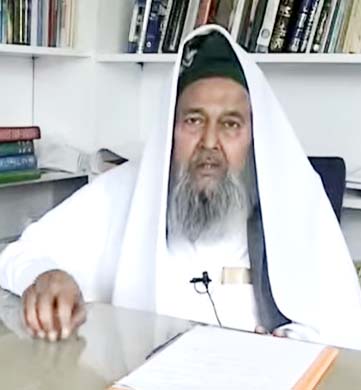
Dr. Allama A.S.M. Abdur Rahim (Rah.)
Founder
JSIFM এর পথচলা
ইসলামের প্রাথমিক যুগে মহানবী হযরত মুহাম্মদ (সঃ)মক্কার সাফা পাহাড়ের পাদদেশে ৬১৪ খ্রিষ্টাব্দে “দারুল আরকাম” স্থাপনের মাধ্যমে মাদ্রাসা শিক্ষার সূচনা করেন। এটিই ছিল পৃথিবীর ইতিহাসে প্রথম মাদ্রাসা যার প্রথম শিক্ষক ছিলেন মহানবী (সঃ)স্বয়ং। এরই ধারাবাহিকতায় পরবর্তীতে মহানবী (সঃ)এর হিজরতের পর মদিনায় মসজিদে নববীর পাশে স্থাপিত হয় প্রথম আবাসিক মাদ্রাসা “সুফফা মাদ্রাসা”। যেখানে প্রাথমিক ইসলামি শিক্ষা দেওয়া হতো। এ মাদ্রাসা দুটি ছিল মাদ্রাসা শিক্ষা ব্যবস্থার প্রাথমিক রূপ।
পরবর্তীতে উমাইয়া ও আব্বাসীয় আমলে মাদ্রাসা শিক্ষার ব্যাপক বিস্তার ঘটে। বিশেষত একাদশ শতাব্দীতে বাগদাদে নিজামুল মুলকের “নিশাপুর” ও “নিজামিয়া মাদ্রাসা” প্রতিষ্ঠার মাধ্যমে এই ব্যবস্থা প্রাতিষ্ঠানিক রূপ পায় যা বিশ্বজুড়ে মডেল হয়ে ওঠে। যেখানে কুরআন, হাদিস, ফিকহ ছাড়াও গণিত, যুক্তিবিদ্যা, বিজ্ঞান, সাহিত্য ইত্যাদি শেখানো হতো। শিক্ষার্থীদের বিনামূল্যে থাকা-খাওয়া ও চিকিৎসা দেওয়া হতো। অর্থাৎ ধর্মীয় ও জাগতিক উভয় জ্ঞান শেখানো হতো। পরবর্তীতে এরই ধারাবাহিকতায় দামেস্ক, কর্ডোবা, সমরকন্দ, হেরাতের মতো শহরগুলোতে উন্নতমানের মাদ্রাসা গড়ে ওঠে।
আমাদের এ ভারতীয় উপমহাদেশে সুলতানী ও মোঘল আমলে মাদ্রাসা শিক্ষা মুলত মসজিদ কেন্দ্রীক শুরু হলেও পরবর্তীতে এর ব্যাপক প্রসার ঘটে, যেখানে শিশুদের হাতেখড়ি হতো কোরআন পাঠের মাধ্যমে। এ সময়ে মহীসন্তোষের মাওলানা তকিউদ্দীন আরাবির মাদ্রাসাটি ছিল প্রাচীনতম। আমাদের এ অঞ্চলে ১২৭৮ সালে সোনারগাঁওয়ে মাওলানা আবু তাওয়ামা একটি বড় মাদ্রাসা প্রতিষ্ঠা করেন। মোঘল আমলে মাদ্রাসা শিক্ষায় বিজ্ঞান, গণিত, ভূগোল ও জ্যোতির্বিদ্যার মতো বিষয়গুলো অন্তর্ভুক্ত করা হয়। সেই সময়ে লখনউয়ের “দরসে নিজামি” এর পাঠ্যক্রম ব্যাপক জনপ্রিয়তা পায়।
ব্রিটিশ সরকার মাদ্রাসা শিক্ষার বিবর্তন ও আধুনিকীকরণের বিভিন্ন কার্যক্রম গ্রহণ করে। প্রথম প্রদক্ষেপ হিসেবে ওয়ারেন হেস্টিংস ১৭৮০ সালে “কলকাতা আলিয়া মাদ্রাসা” প্রতিষ্ঠা করে। যার মাধ্যমে এ উপমহাদেশে প্রাতিষ্ঠানিক মাদ্রাসা শিক্ষা কার্যক্রম শুরু হয়, যা পরবর্তীতে বাংলাদেশেও বিস্তৃত হয়। পরবর্তীতে ব্রিটিশ সরকার মাদ্রাসা শিক্ষার উন্নয়নে ”নিউ স্কিম” নামে একটি প্রকল্প চালু করে।
১৯৪৭ সালে ভারতীয় উপমহাদেশ বিভক্ত হওয়ার পর পাকিস্তান সরকার মাদ্রাসা শিক্ষার উন্নয়নের জন্য বিভিন্ন প্রদক্ষেপ গ্রহণ করে। যার অন্যতম ছিল “শামসুল হক কমিটি”। পাকিস্তান আমলে "ইস্ট পাকিস্তান মাদ্রাসা এডুকেশন বোর্ড" গঠিত হয় এবং বাংলাদেশের স্বাধীনতা পরবর্তীতে ১৯৭৮ সালের অধ্যাদেশ অনুযায়ী বাংলাদেশ মাদ্রাসা শিক্ষা বোর্ড (BMEB) গঠন এর মাধ্যমে ও এর ব্যবস্থাপনায় আমাদের দেশে মাদ্রাসা শিক্ষা কার্যক্রম পরিচালিত হতে থাকে।
-->
